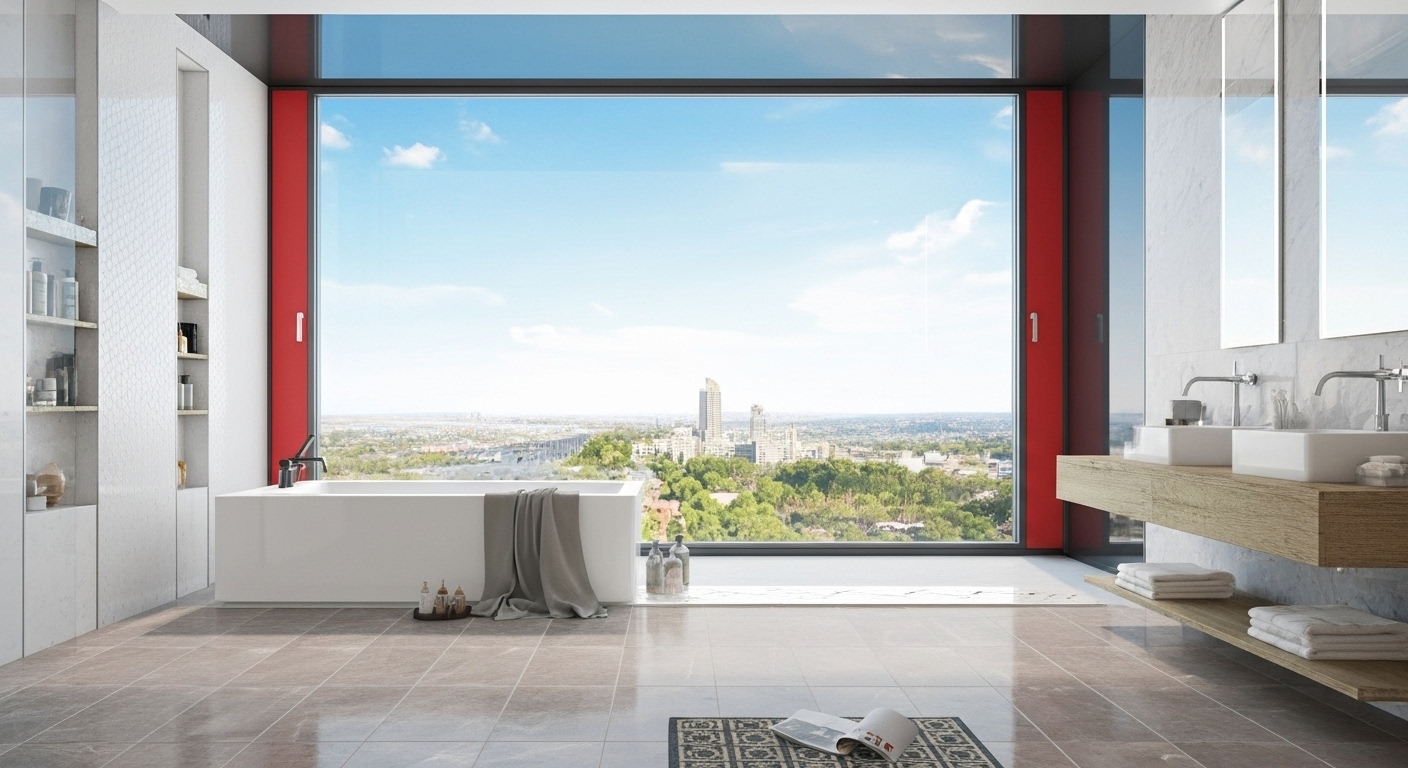
In South Africa’s growing urban environments, creating a quiet indoor sanctuary is more important than ever. Between traffic, construction and city life, advanced fenestration systems designed for sound insulation windows offer a real solution.
The Science of Silence
Noise is more than an annoyance. It affects focus, sleep quality and overall well-being. The solution lies in precision-engineered fenestration systems that block and absorb sound waves before they enter your space.
For example, one study of double and triple-glazed window combinations found average sound pressure level reductions of 25 % to 35 % — and up to ~40%.
Another paper showed that the best sound insulation performance in triple glazing increased sound reduction indices by ~6 dB and improved traffic-noise spectrum correction by ~11 dB.
Research in urban South African schools found indoor ambient noise averaging ~58.2 dBA in classrooms near busy roads — well above recommended levels of ~35 dBA.
All of this emphasises why noise reduction glazing and sound‐insulation windows are valuable in urban contexts.
Inside the Technology
Every component of the system contributes to superior acoustic performance:
- Thermal-break aluminium profiles reduce heat transfer and help block structural sound paths.
- EPDM seals ensure airtight closure, preventing sound leaks and improving weather resistance.
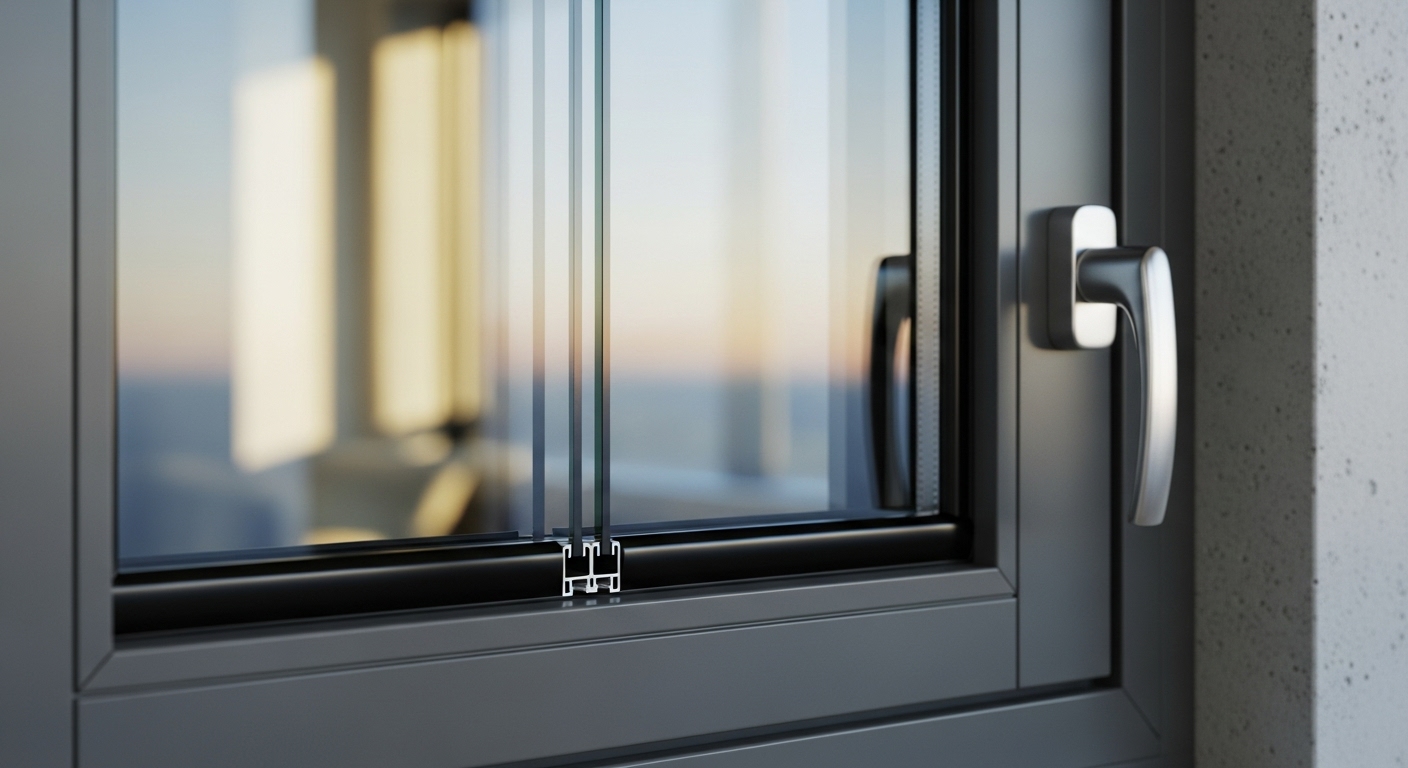
- Laminated, Low-E coated glazing with argon-filled cavities disrupts sound transmission through multiple layers.
- Multi-point locking systems maintain uniform compression along the frame for consistent acoustic sealing.
These kinds of systems turn windows from weak acoustic spots into high-performance barriers.
Designed for South African Living
South Africa’s diverse climate demands fenestration that is strong in thermal, weather and acoustic performance. Urban environments add the acoustic dimension. As one South African study notes, many buildings exceed noise limits and struggle with design factors that worsen sound intrusion. UPSpace Repository
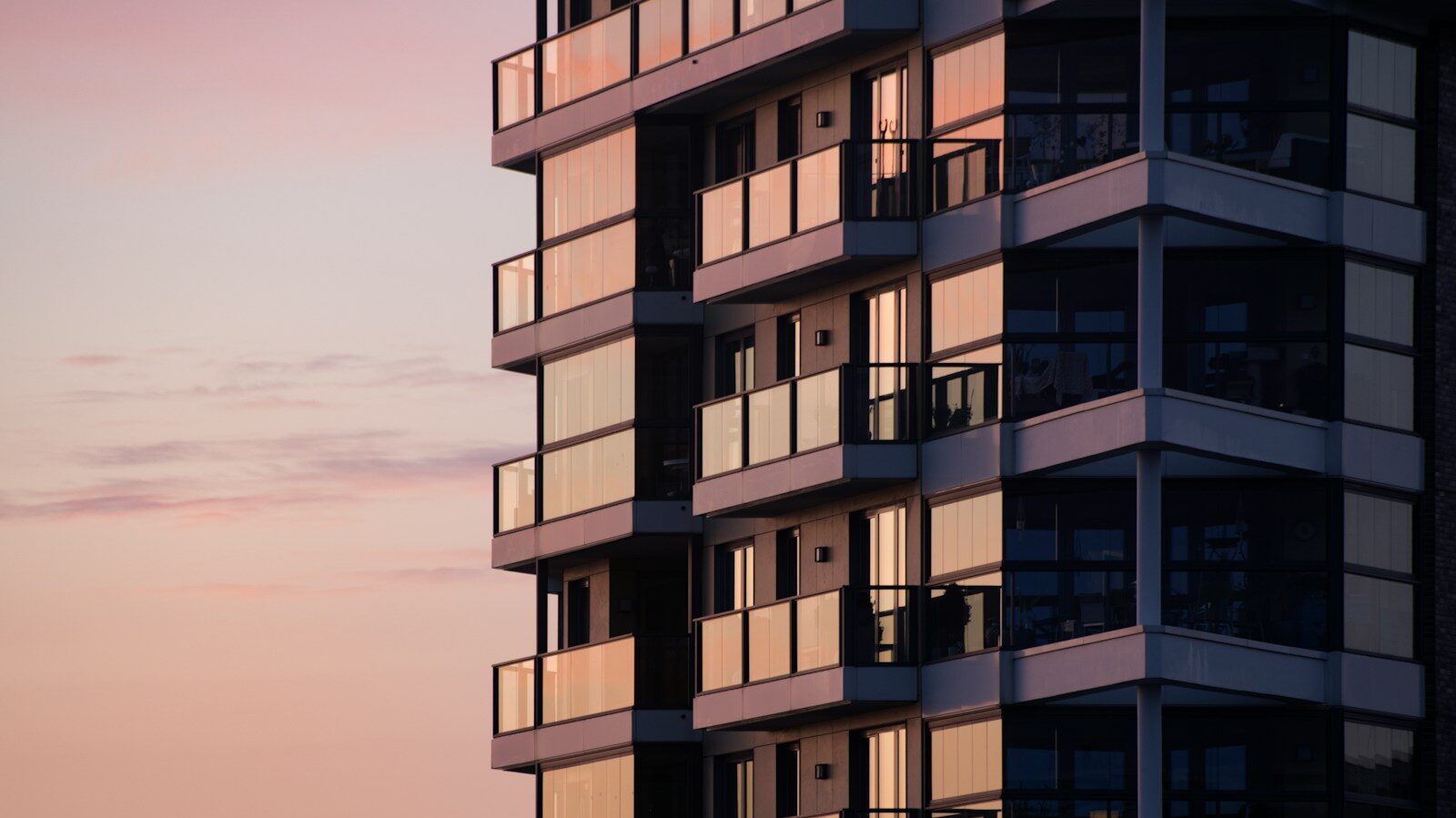
Whether you have a sleek sliding door near harbour winds or a large glass facade in a Gauteng township, acoustic performance cannot be ignored.

Architectural Harmony Meets Acoustic Comfort
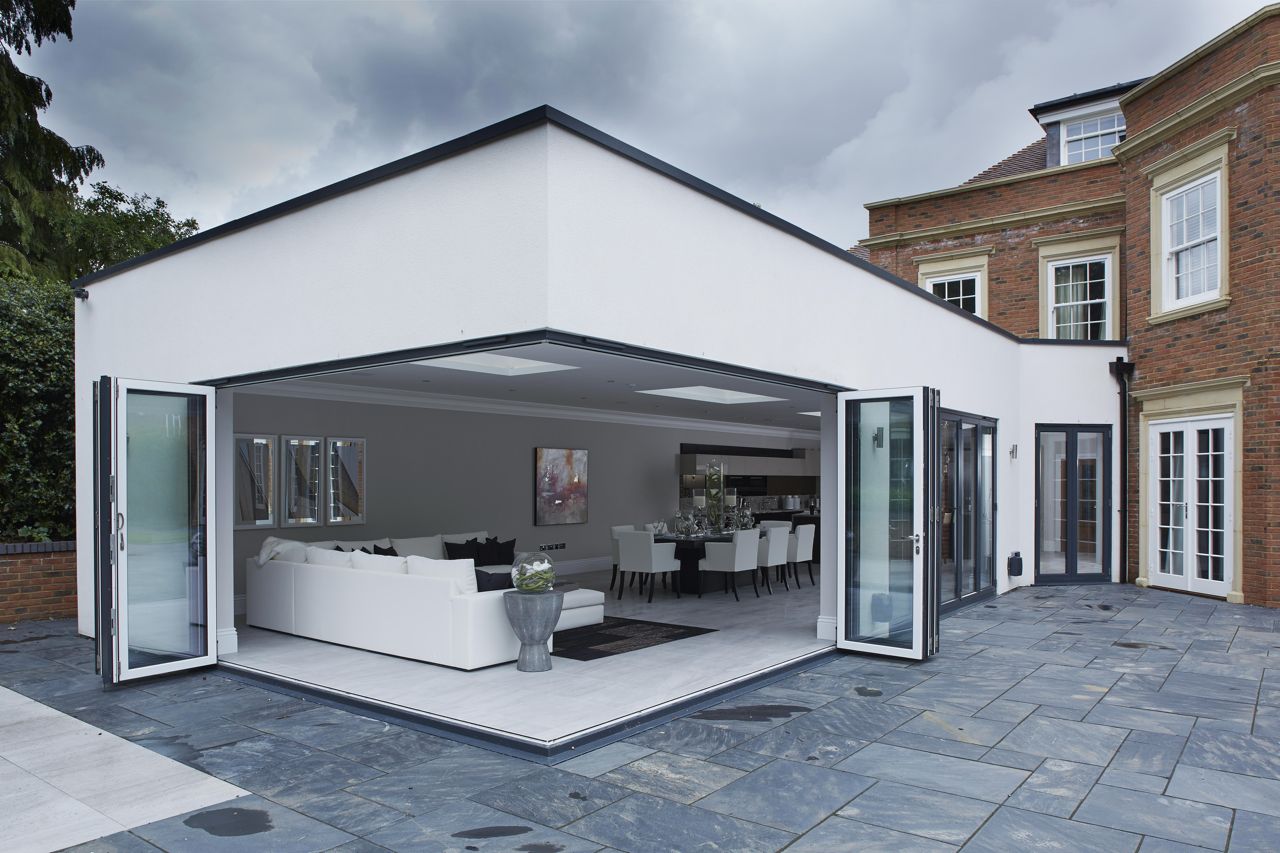
Modern architecture emphasises openness: large glass panes, indoor-outdoor living, panoramic views. Without correct fenestration, this openness can come at the cost of tranquillity.
Noise reduction glazing allows for glass-rich architecture while maintaining acoustic comfort. You don’t have to choose between aesthetics and peace.
Investing in Long-Term Comfort
Choosing high performance sound insulation windows is not just about peace and quiet. It is an investment in lifestyle value:
- Quieter interiors improve property desirability.
- Better acoustic comfort supports work-from-home setups, learning spaces and overall occupant wellbeing.
- Verified acoustic performance builds confidence for architects and developers.
Choosing a reputable system (such as from Aldabra) with testing, certification and precise installation matters.
Final Thoughts
In a world that never stops moving, stillness is the new luxury. With advanced sound-insulation windows and noise-reduction glazing you can create indoor environments that feel calm and refined — even in busy urban settings. Peace, precision and performance go hand-in-hand.